November 17, 2026
How to Clean Pool Surrounds Without Damaging the Surface
By @caidenuhwv239
Maintaining pristine pool surrounds on the Mornington Peninsula requires a careful balance between thorough sanitation and gentle surface care. Between the salt-laden coastal breezes sweeping off Port Phillip Bay and the organic debris dropped by local coastal banksias and tea-trees, pool paving is continuously exposed to harsh weathering. Homeowners in coastal suburbs like Mount Martha, Sorrento, and Flinders often face slippery algae, mould, and ground-in dirt. However, aggressive cleaning methods like ultra-high-pressure blasting or unbuffered acid washes can permanently pit, etch, or degrade delicate paving materials.
Understanding Your Pool Surround Material
Before applying any cleaning agent or water stream, you must identify your specific paving substrate. Travertine and natural sandstone are extraordinarily popular across coastal Victoria for their luxurious aesthetic and non-slip texture underfoot. Unfortunately, these natural stones are also porous and calcium-rich, meaning acidic cleaners can cause irreversible chemical etching, while high-velocity pressure washers can blast away surface layers and expose softer internal aggregate.

Exposed aggregate and liquid limestone are slightly more resilient, but excessive pressure can dislodge the decorative pebbles or scour the protective resin sealant. Ensuring you use the correct pH-neutral surfactants and controlled-pressure equipment tailored to your specific stone is essential to preserve your investment.
Safe Step-by-Step Pool Surround Cleaning Guide
To safely lift stains, mould, and grime without stripping sealants or fracturing stone tiles, follow this non-destructive cleaning process:
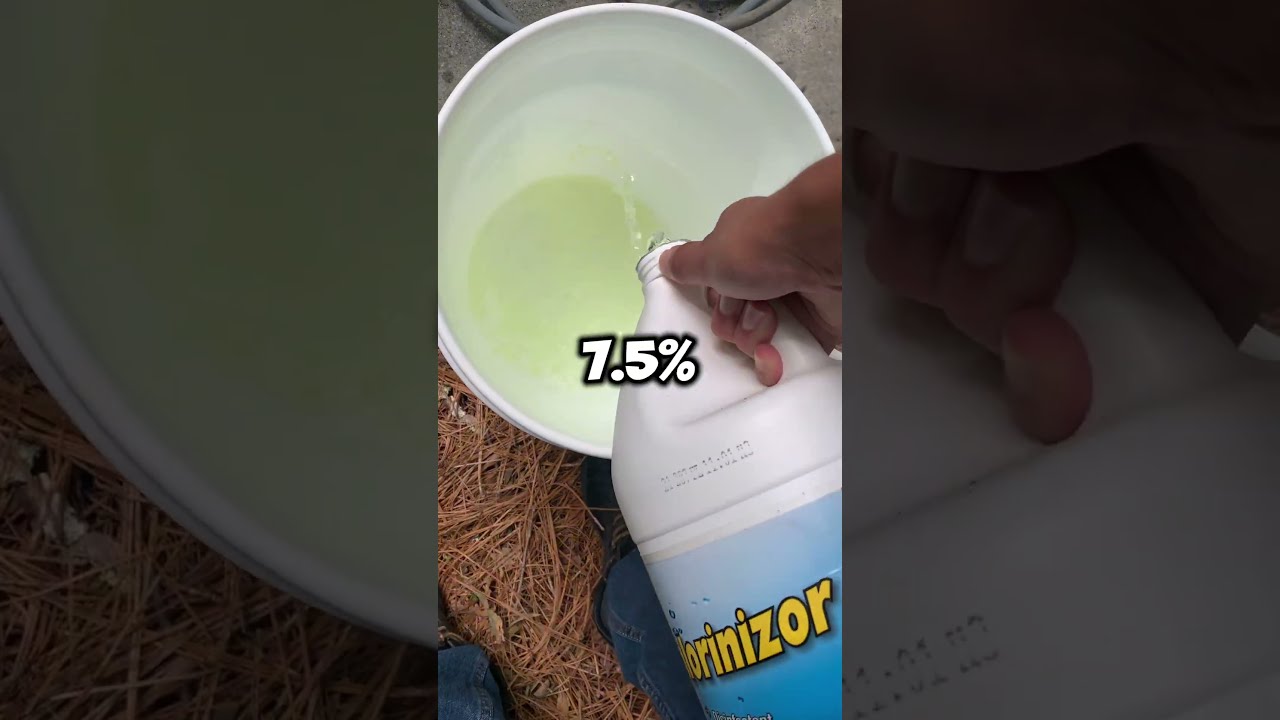
- Perform a thorough dry sweep: Remove loose leaves, eucalyptus litter, and sand with a soft-bristled broom before introducing water.
- Pre-wet surrounding garden beds and coping: Saturate adjoining turf, garden foliage, and coping tiles with clean water to prevent them from rapidly absorbing cleaning solutions.
- Apply an eco-friendly biocide or specialized detergent: Use a dedicated, biodegradable stone cleaner designed to break down organic spores at the root rather than scouring the surface.
- Agitate with a soft-to-medium deck brush: Allow the solution to dwell for 10 to 15 minutes, gently working stubborn stains with manual agitation to lift deep-seated contamination.
- Rinse with regulated, low-pressure water: Wash the residue thoroughly away from the pool edge using a wide fan nozzle at a pressure below 1,500 PSI.
Mistakes That Permanently Ruin Pool Coping
Many property owners unintentionally cause structural or aesthetic damage to their pool aprons by using industrial-scale pressure without the appropriate surface-cleaning attachments. Even minor technique errors can void paving warranties or lead to expensive repairs.
- Using pinpoint turbo nozzles: Concentrated pencil-jet nozzles concentrate thousands of pounds of pressure onto a micro-target, gouging grooves into natural stone and gouging joint mortar.
- Applying raw muriatic or hydrochloric acid: While useful for balancing pool water chemistry, raw acid applied to surrounding paving will dissolve the binder in concrete and bleach limestone.
- Washing runoff directly into pool water: Contaminating pool water with detergents and loosened biological matter disrupts chemical equilibrium and creates major phosphate spikes.
- Neglecting post-clean sealing: Once a surface is clean and thoroughly dry, leaving the porous stone unsealed invites rapid re-soiling and salt crystallization damage.
2026 Environmental and Coastal Care Standards
Environmental standards across the Mornington Peninsula have evolved significantly. With increasing emphasis on marine habitat protection for both Port Phillip and Western Port bays, managing drainage runoff during exterior cleaning is paramount. Professional exterior cleaners rely on specialized wash-water containment, recovery systems, and plant-safe sanitizing agents that neutralize quickly without releasing toxic volatile compounds into local waterways.

Furthermore, contemporary 2026 sealing technologies now utilize deeply penetrating, breathable silane-siloxane impregnators https://angelobupd684.terracolumn.com/posts/how-to-avoid-etching-concrete-with-high-pressure-nozzles rather than traditional glossy surface coatings. These penetrative sealants protect porous pool surrounds from coastal salt-attack and atmospheric staining without changing the non-slip rating of the stone, ensuring your pool area remains safe, durable, and visually appealing year-round.
When to Consult a Professional
If your pool surrounds have accumulated heavy black lichen spots, deeply embedded bore-water rust stains, or severe efflorescence (salt blooms), domestic garden hoses and consumer pressure cleaners will prove ineffective. Engaging a Mornington Peninsula surface restoration specialist equipped with soft-washing apparatus and heated rotary equipment ensures deep extraction without risking surface erosion, preserving the integrity and value of your outdoor entertaining area for seasons to come.
Mornington Peninsula Pressure Washing
(03) 8686 8331
❧